

China Cooking Oil Manufacturing Plant Cost | Leading Manufacturer Insights
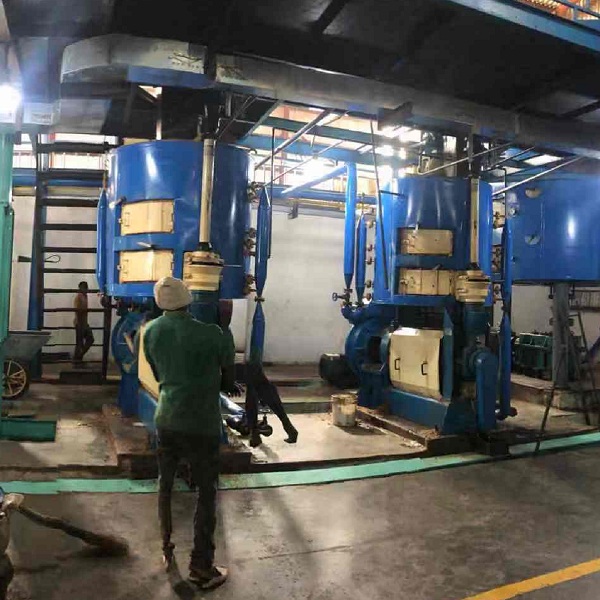
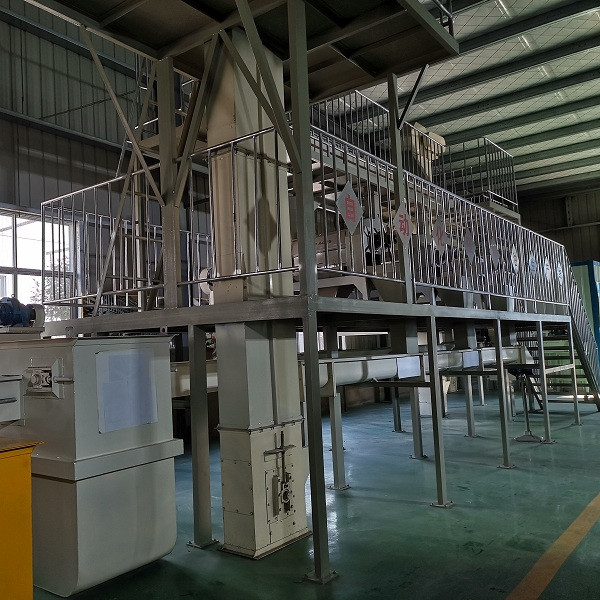
When considering the investment in a China cooking oil manufacturing plant, it’s important to understand the costs involved. As a manufacturer in this industry, I focus on providing high-quality, efficient machinery that suits your production needs. The costs can vary depending on factors like plant capacity, technology used, and the level of automation you desire. I pride myself on offering competitive pricing without compromising quality. We ensure that every piece of equipment meets international standards, helping you to maximize output and minimize waste. By sourcing your manufacturing plant from a trusted China manufacturer, you gain access to cutting-edge technology and skilled expertise. Let’s simplify your journey to starting a successful cooking oil business with a plant solution tailored to your requirements. Making the right choice with a reliable partner in China not only boosts your production but also enhances your market competitiveness. Feel free to reach out for tailored advice and options!

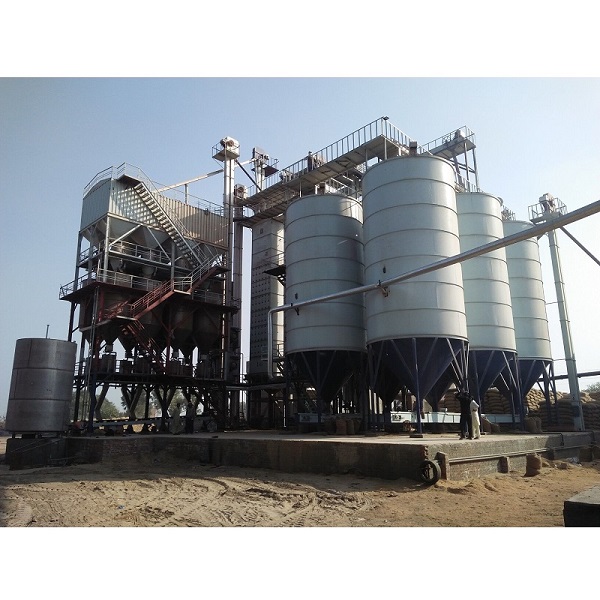
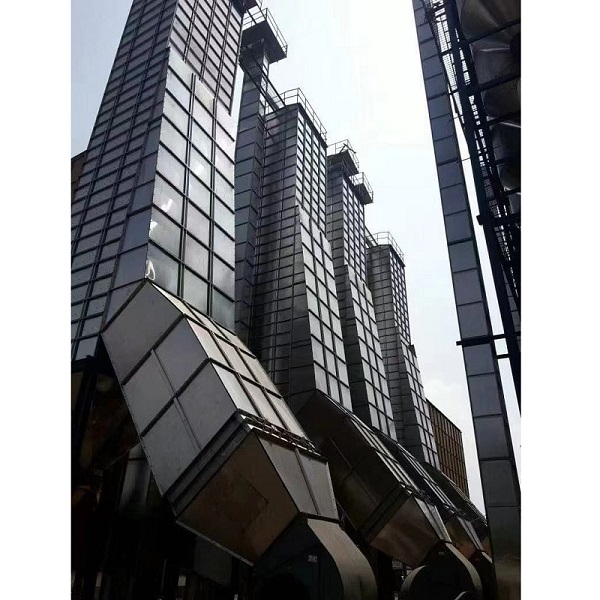

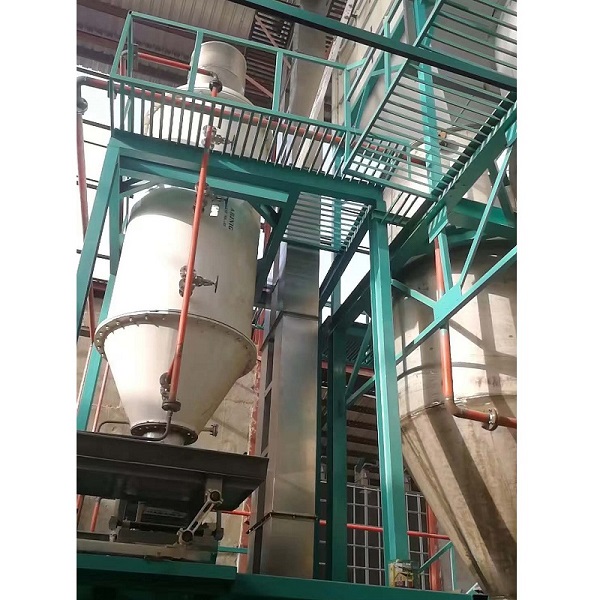
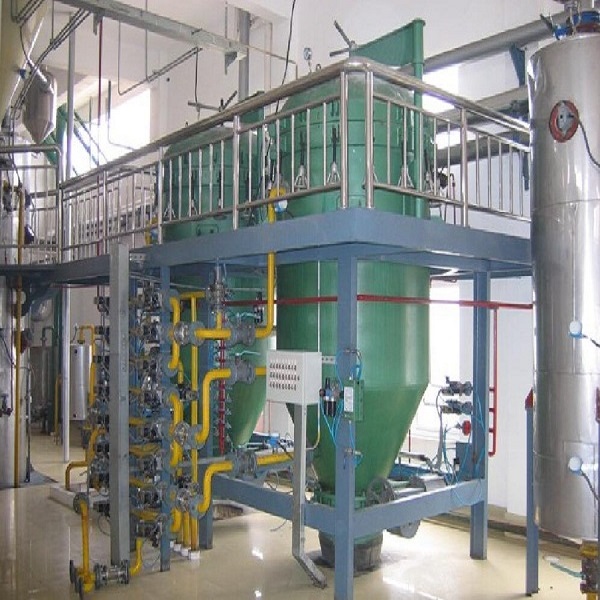
China Cooking Oil Manufacturing Plant Cost Manufacturer Industry Leaders Now Trending
In the rapidly evolving landscape of the cooking oil manufacturing industry, understanding the costs associated with setting up a production plant is crucial for potential global buyers. As many manufacturers streamline their operations and adopt advanced technologies, there is an increasing trend toward reducing overheads and enhancing production efficiency. Key industry leaders are now focusing on offering cost-effective solutions without compromising on quality, which can significantly benefit international traders looking for reliable suppliers. The latest advancements in cooking oil processing technology have led to substantial reductions in both initial investment and operational costs. Manufacturers that prioritize automation, energy efficiency, and innovative extraction methods are finding themselves at the forefront of this burgeoning market. By leveraging state-of-the-art machinery, businesses can optimize production timelines and increase yield, resulting in noticeable savings and more competitive pricing for their products. Moreover, the ongoing emphasis on sustainability and eco-friendly practices is reshaping the industry, allowing companies to appeal to a wider clientele, including environmentally conscious consumers and businesses. As the global demand for cooking oil continues to rise, prospective buyers must remain informed about the ongoing trends and innovations within the manufacturing sector. By collaborating with industry leaders who understand the nuances of cost management and technological advancements, global purchasers can ensure they are sourcing high-quality cooking oil efficiently and cost-effectively. This alignment with modern manufacturing practices will not only lead to improved profit margins but also position buyers favorably in a competitive market.
China Cooking Oil Manufacturing Plant Cost Manufacturer Industry Leaders Now Trending
| Factor | Details |
|---|---|
| Plant Capacity | 20,000 liters per day |
| Raw Material Types | Soybean, Sunflower, Palm Oil |
| Production Process | Cold Press & Refining |
| Energy Consumption | 150 kWh per 1,000 liters |
| Labor Requirements | 25 workers per shift |
| Average Lead Time | 6 weeks for setup |
| Market Demand | Increasing in urban areas |
| Regulatory Compliance | Food Safety Administration Standards |
Related Products
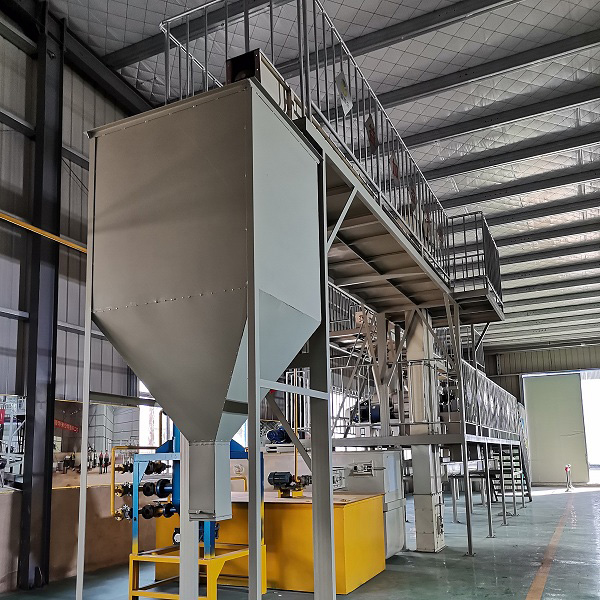
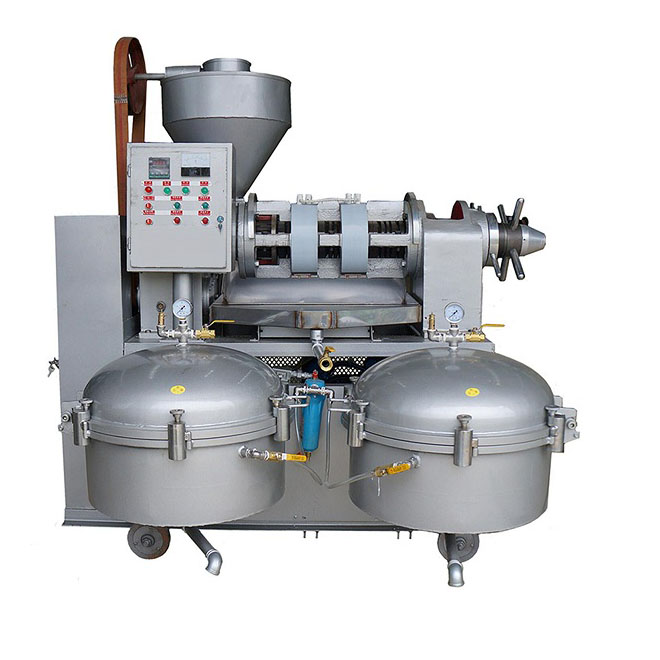
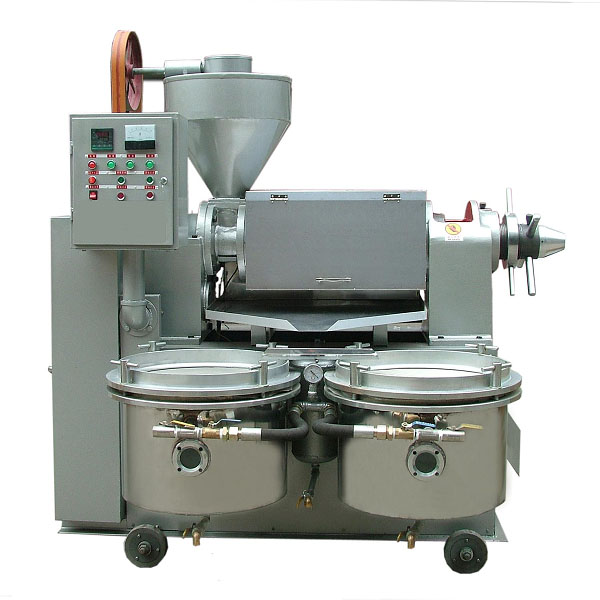
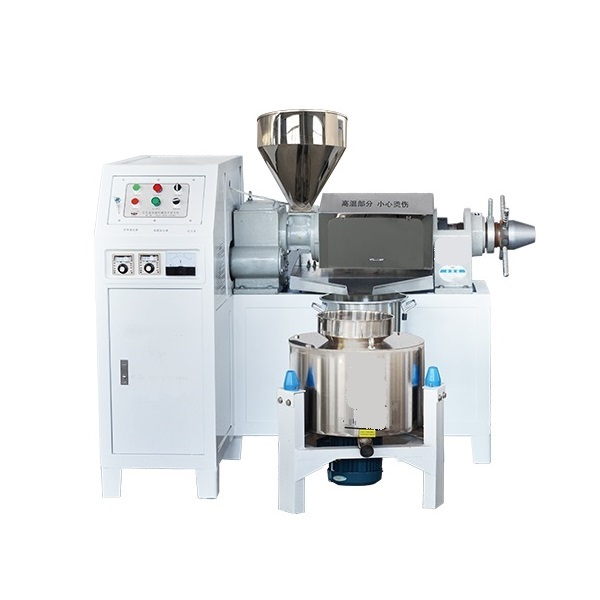
China Cooking Oil Manufacturing Plant Cost Manufacturer Application Where Service Meets Innovation
Top Selling Products




- Related Blog
- Reviews
