

China Rice Mill Plant Cost: Insights from Leading Manufacturers
When considering a rice mill plant, the cost is a major factor for me. I’ve researched various options and found that investing in a China rice mill plant not only offers competitive pricing but also high-quality machinery. Working with a reputable manufacturer means I can expect durability and efficiency in operations. By sourcing equipment directly from China, I can significantly reduce overhead costs while accessing advanced technology tailored for rice processing. The variety of plant sizes available allows me to choose one that aligns perfectly with my production needs and budget. With a focus on both cost-effectiveness and reliability, I'm confident that a China rice mill plant will support my business growth, ensuring I stay competitive in the market. This investment opens doors to improved efficiency and higher yield in rice production, making it a smart choice for a thriving enterprise.
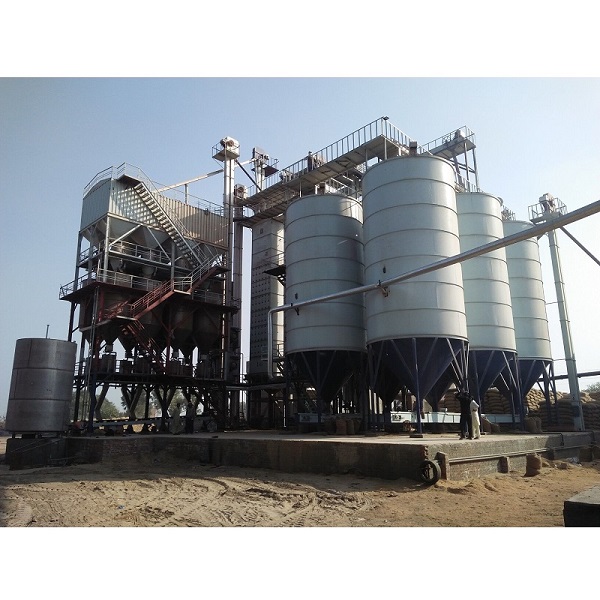
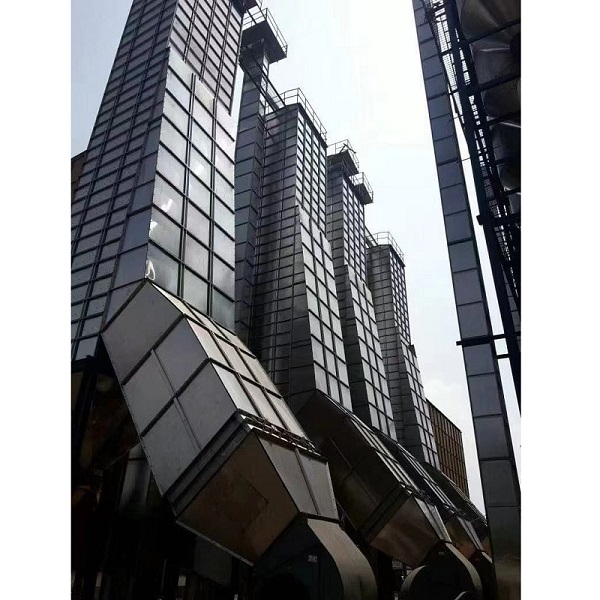

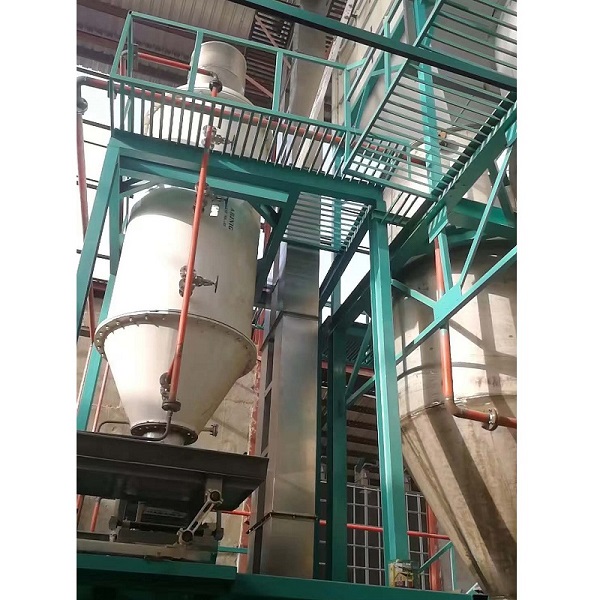
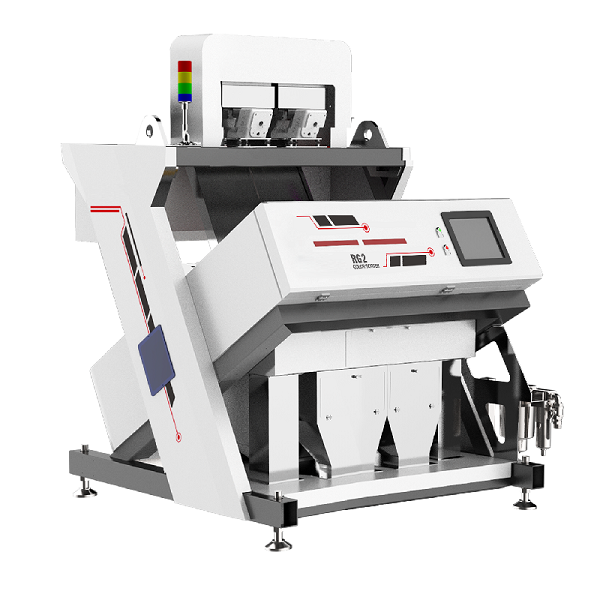
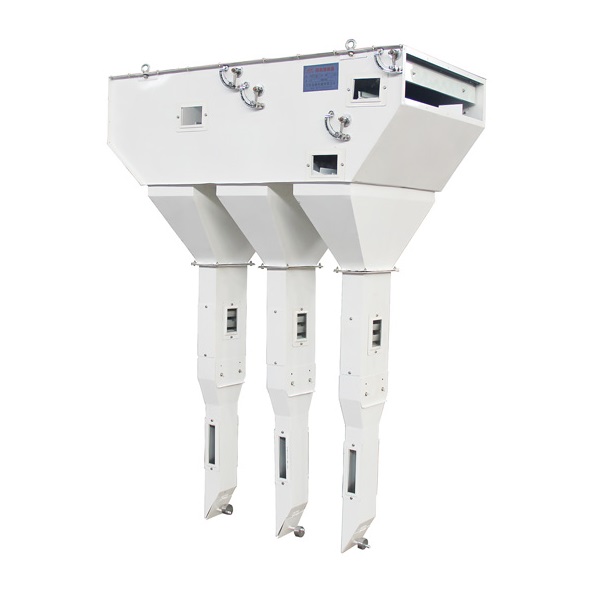
China Rice Mill Plant Cost in 2025 Where Innovation Meets 2025
As we look towards 2025, the landscape of rice milling in China is poised for significant advancements, driven by both innovative technologies and sustainable practices. The cost of establishing a rice mill plant in China is expected to evolve, reflecting not just the prices of materials and labor, but also the integration of automation and energy-efficient solutions. Global buyers seeking to invest in rice mill plants will find that understanding these trends is essential to making informed decisions. The upcoming years will see a shift towards more intelligent rice milling solutions, where IoT (Internet of Things) technology plays a central role. These systems can streamline operations, reduce waste, and enhance product quality. Furthermore, the push for sustainability will encourage the adoption of environmentally friendly processing techniques, potentially lowering operational costs in the long run. By investing in advanced machinery now, global buyers can position themselves favorably in a competitive market while also appealing to eco-conscious consumers. In conclusion, the cost of rice mill plants in China in 2025 will not just reflect traditional economic factors but will also embody the principles of innovation and sustainability. Prospective investors should focus on suppliers who prioritize advanced technology and eco-friendly processes. This strategic alignment with future trends will not only enhance operational efficiency but also meet the growing demand for responsibly sourced products in the global marketplace.
China Rice Mill Plant Cost in 2025 Where Innovation Meets 2025
| Dimension | Value |
|---|---|
| Estimated Construction Cost | $800,000 |
| Annual Operating Cost | $150,000 |
| Average Production Capacity | 2,000 tons/year |
| Number of Employees | 30 |
| Energy Consumption per Ton | 120 kWh |
| Technology Adoption Level | High |
| Return on Investment (ROI) | 15% |
Related Products

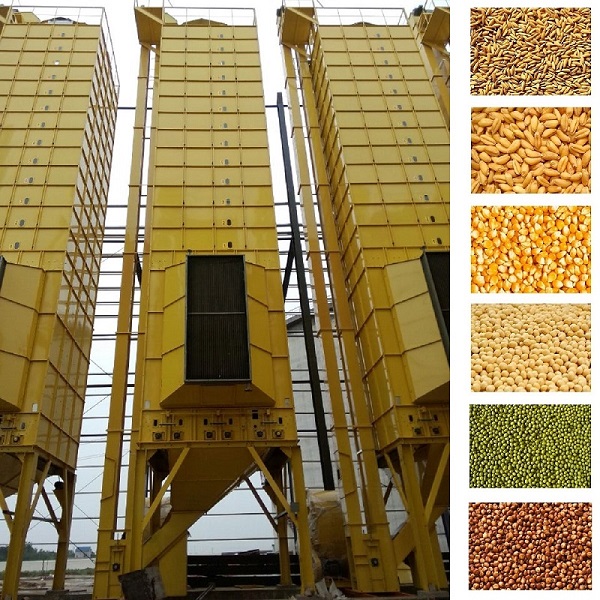


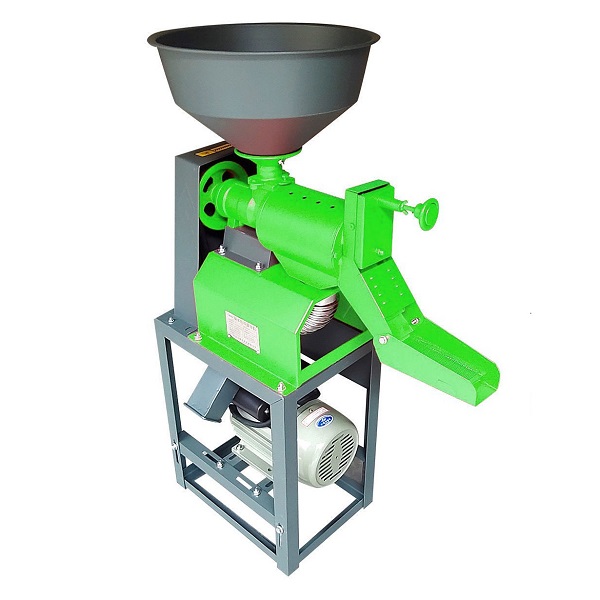
China Rice Mill Plant Cost Dominates Leads the Global Market
Top Selling Products



- Related Blog
- Reviews
